England & Flanders, 13th–14th c.
Bestiary & Marginalia
The medieval bestiary read the natural world as a book of Christian symbol — the pelican, the phoenix, the lion — while in the margins of psalters, illuminators let their imaginations run entirely loose: knights unhorsed by snails, and rabbits who do not forgive.
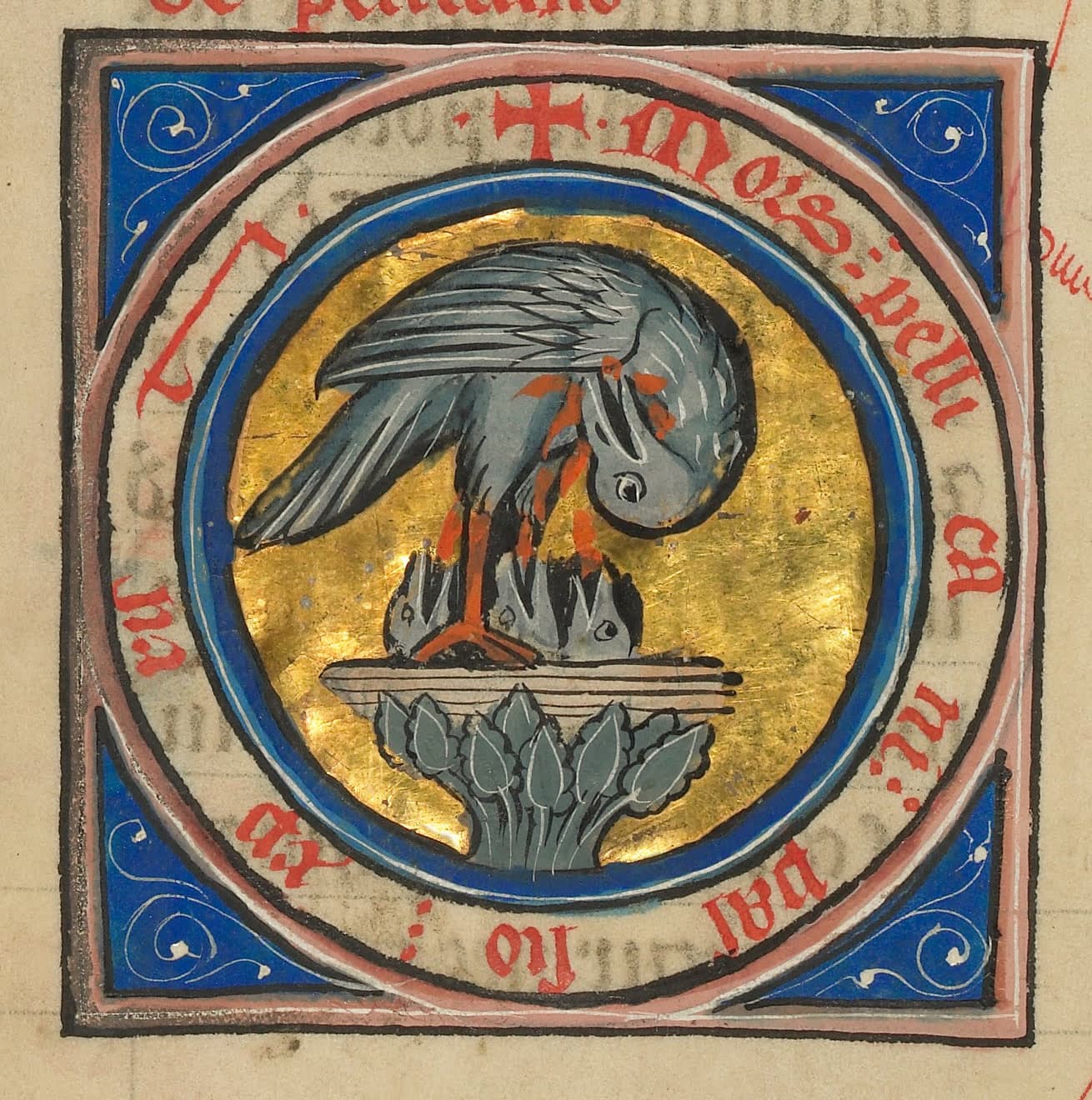
The Pelican in Her Piety
A mother bird wounds her own breast to feed her young with her blood.
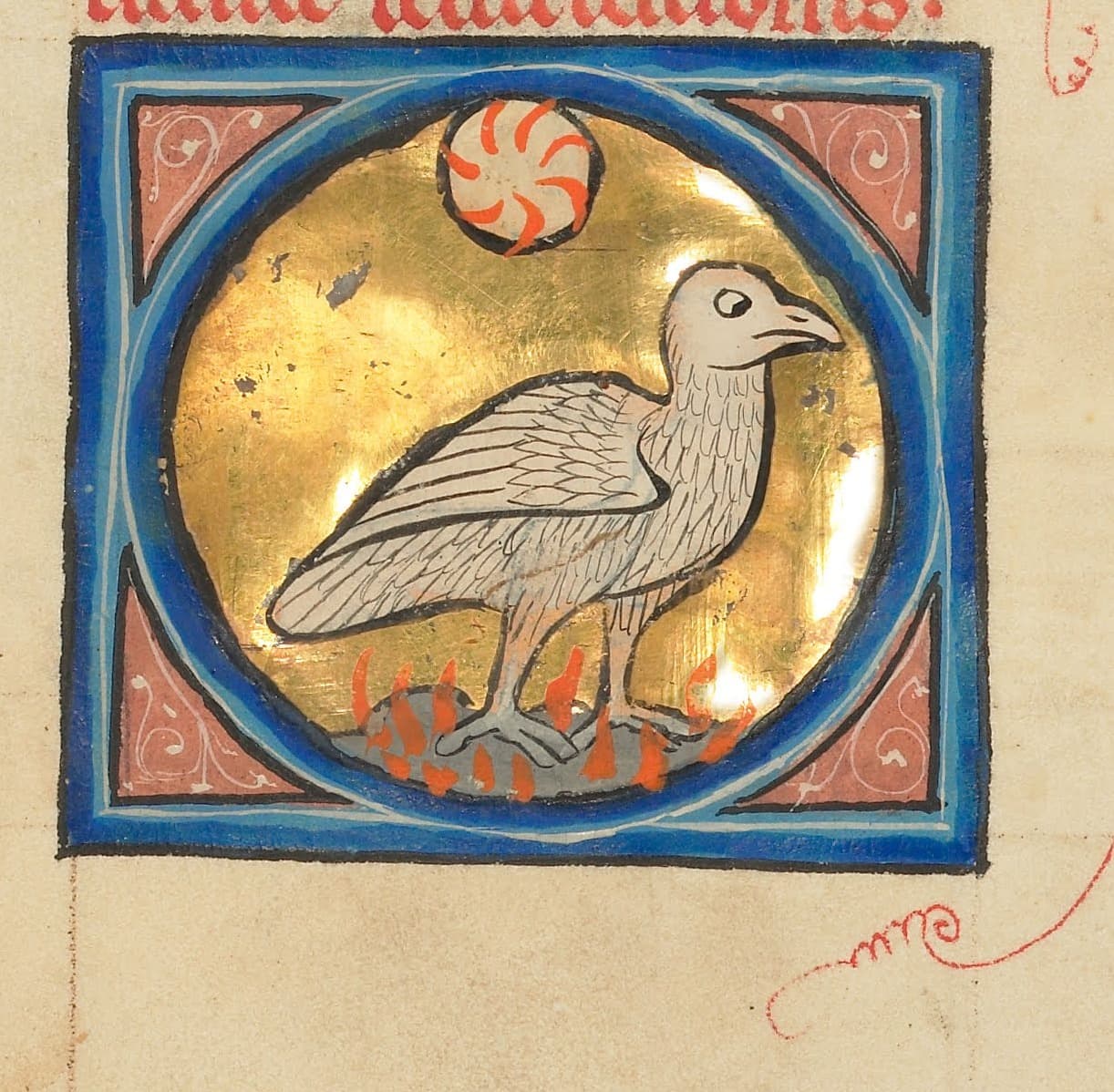
The Phoenix
The bird that builds its own pyre and rises from the ash.
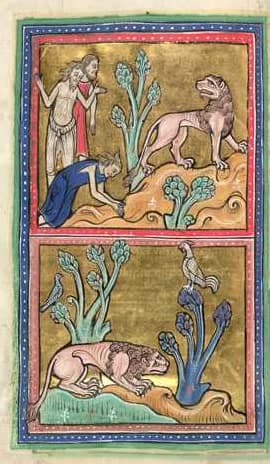
The Lion, King of Beasts
Two intertwined legends on one gold-ground folio — the roar that revives, the tail that erases the trail.
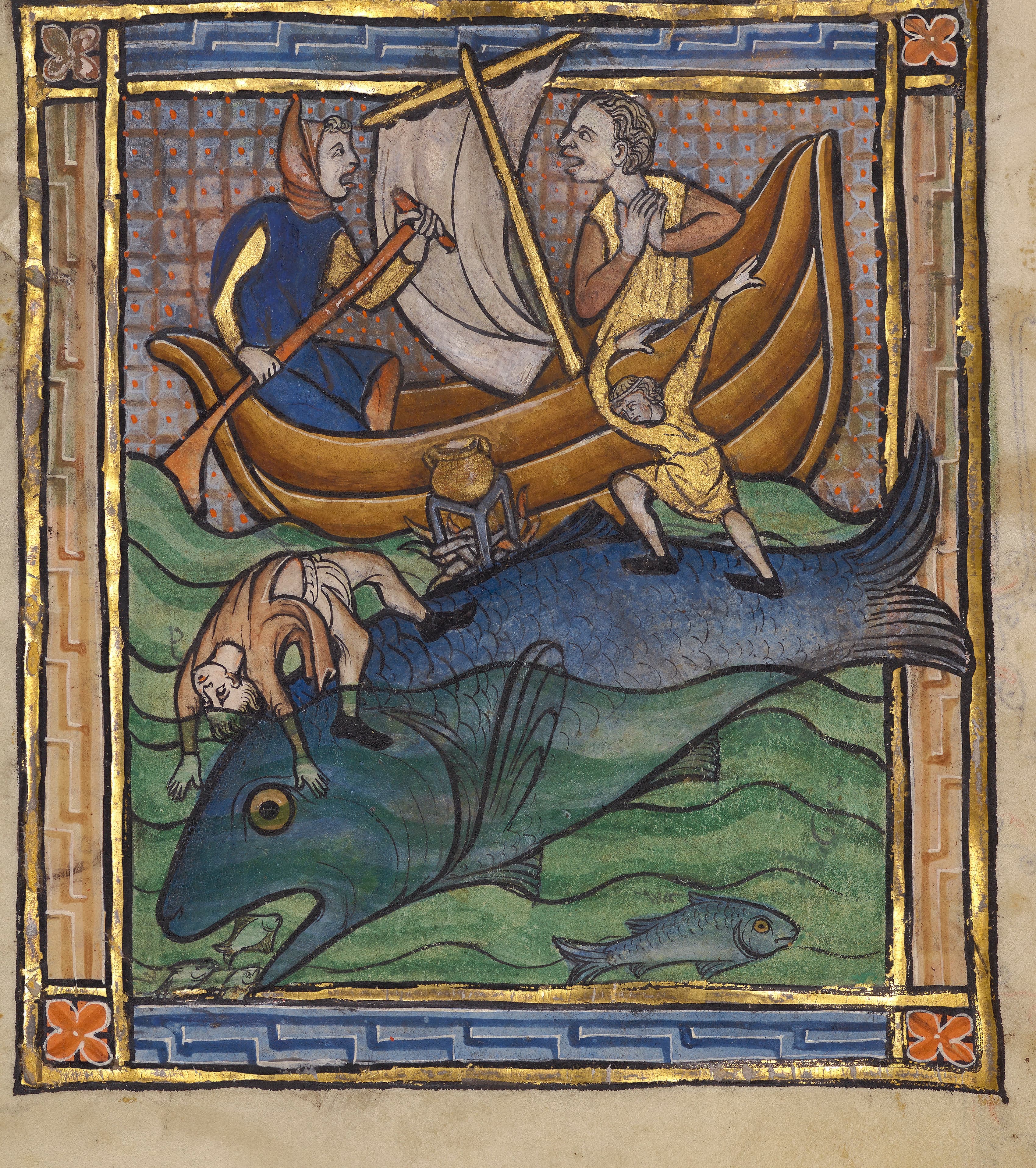
The Whale Mistaken for an Island
Sailors moor on its back mistaking it for land — until it dives.
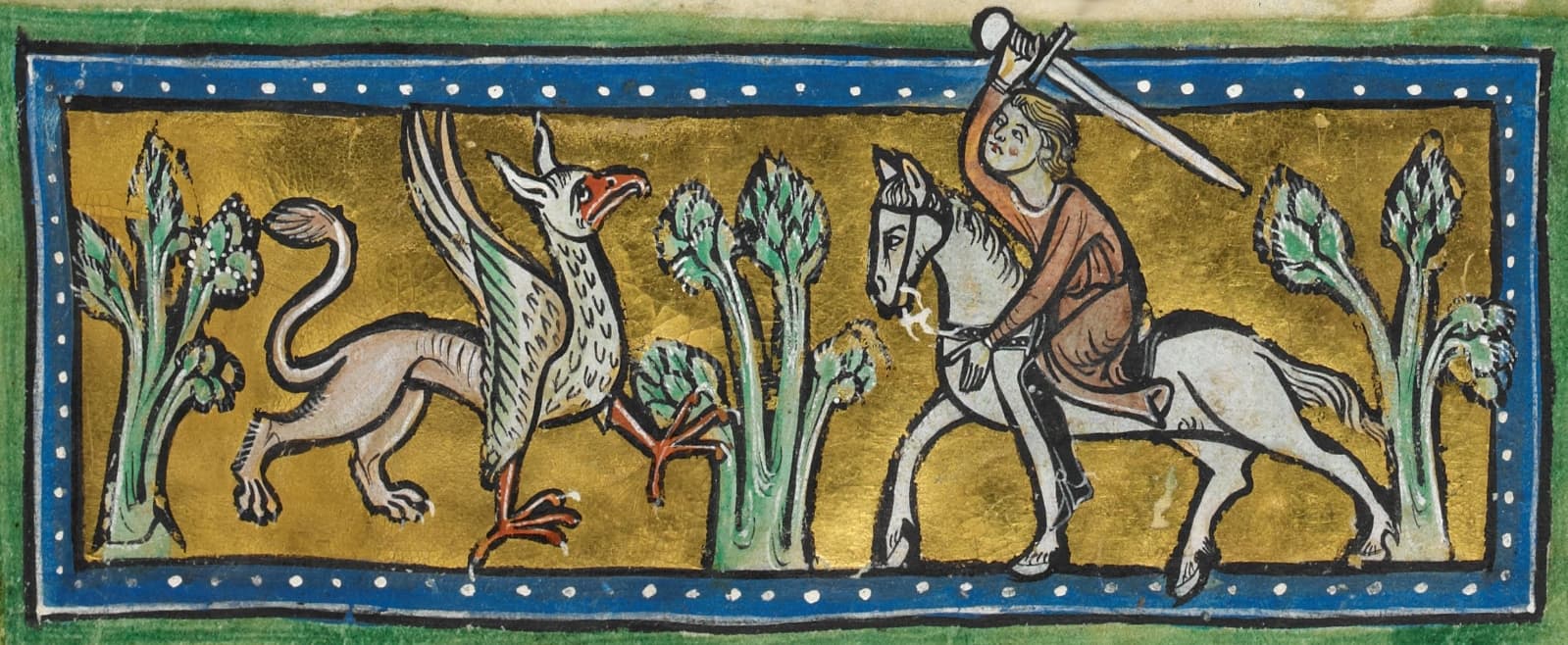
The Griffin, Guardian of Gold
Lion below, eagle above — a hoarder of northern gold, and no coward when confronted.
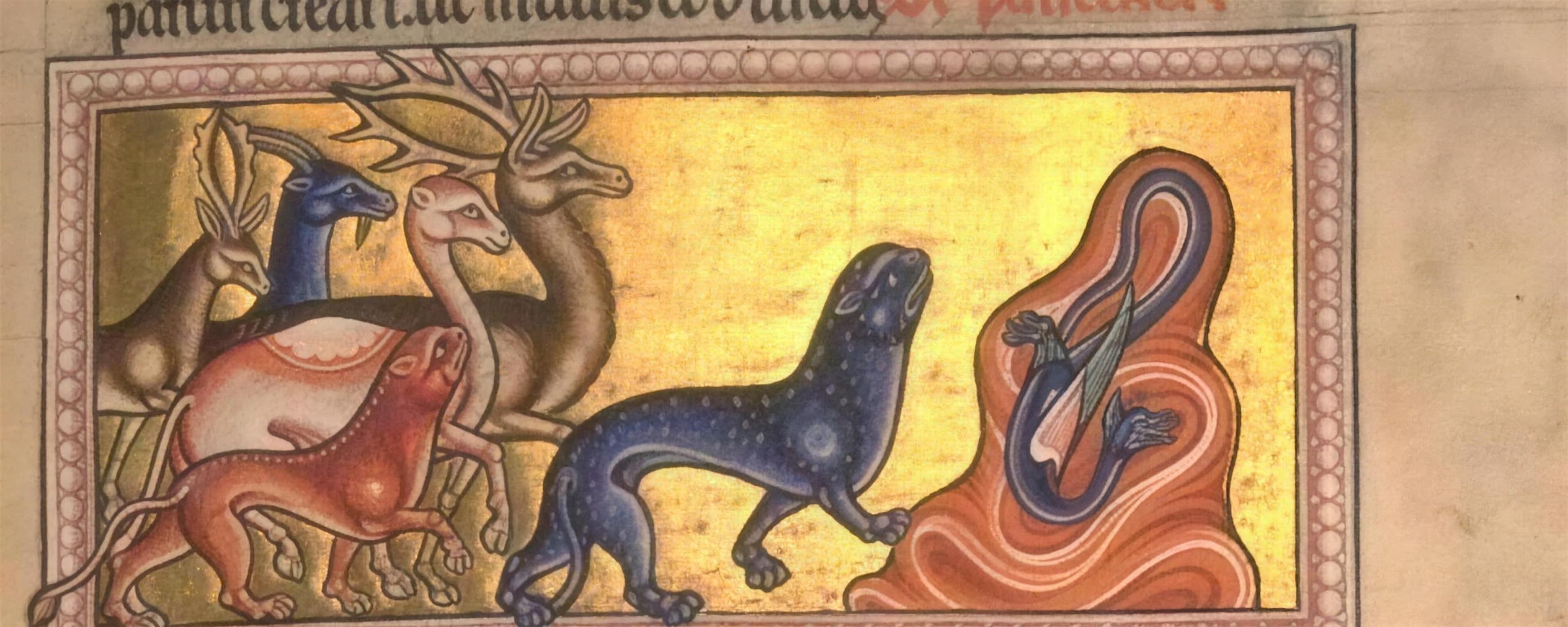
The Panther's Sweet Breath
Its breath alone draws every beast in the forest to follow — save one.
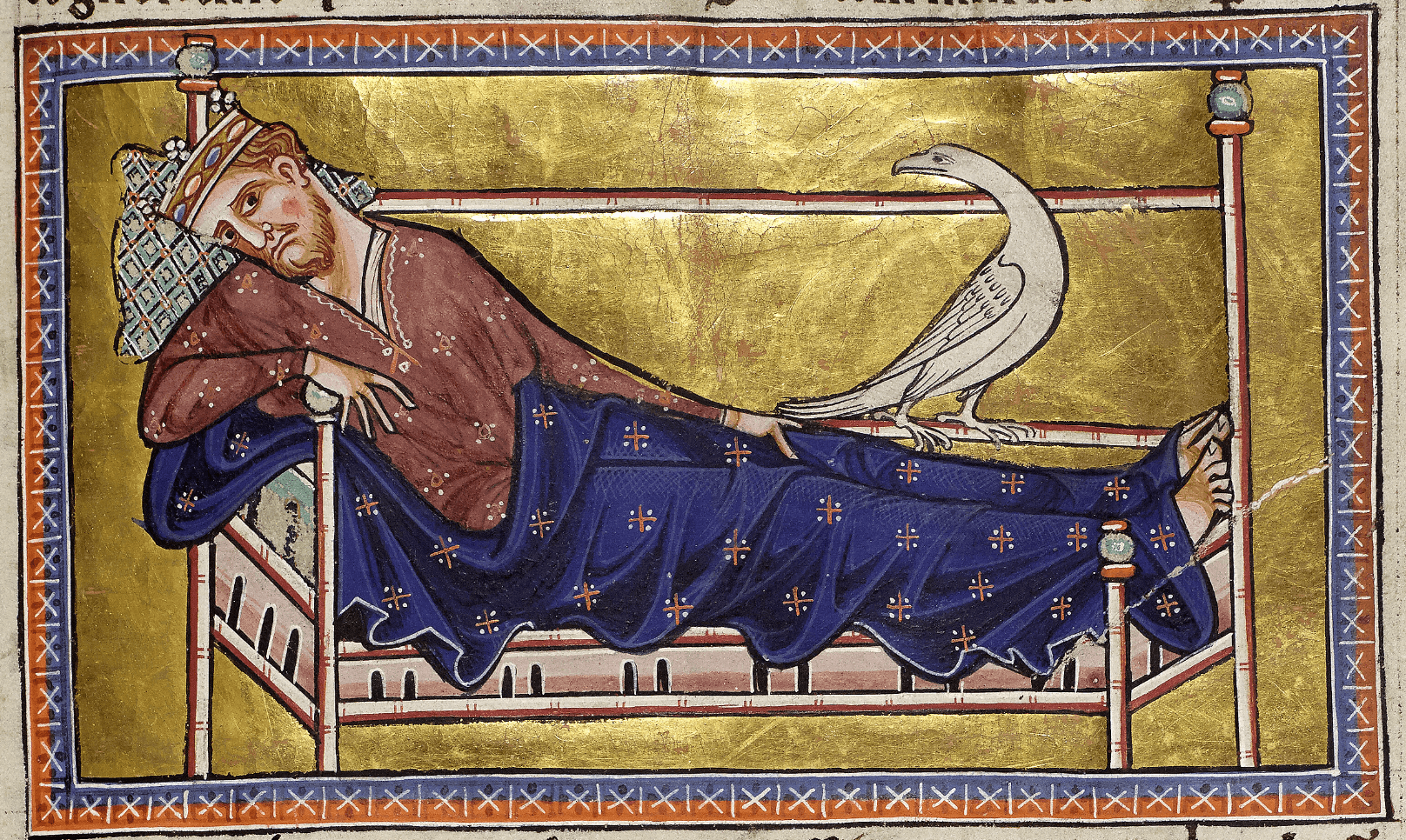
The Caladrius
A bird that reads a sickbed with a glance, and carries the illness into the sun.
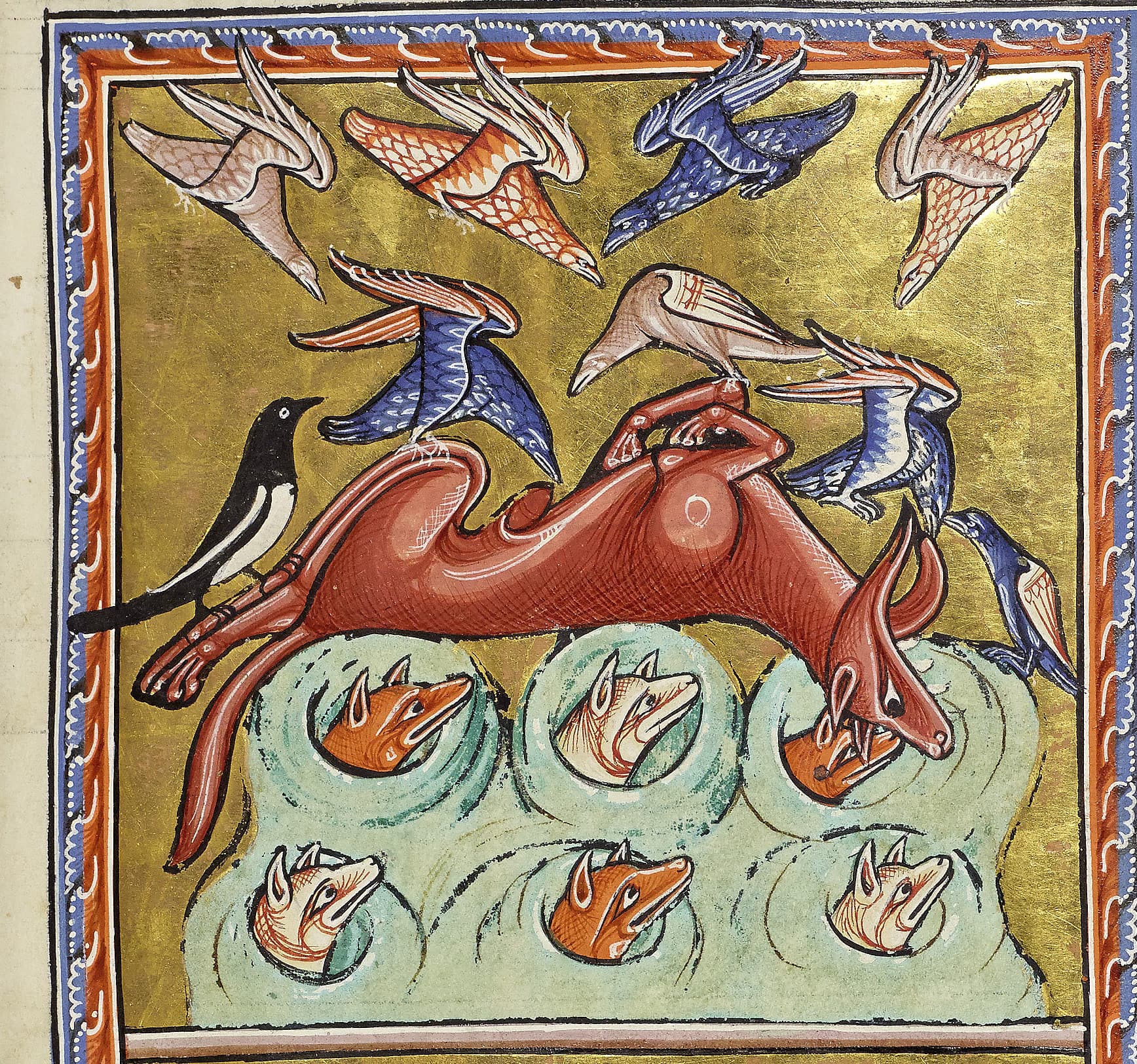
The Fox Who Feigned Death
Feigns death, lures the hungry birds close, and eats them instead.
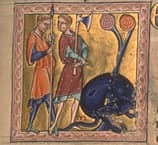
The Beaver's Sacrifice
Self-mutilation as the price of escape — chastity's strangest medieval mascot.
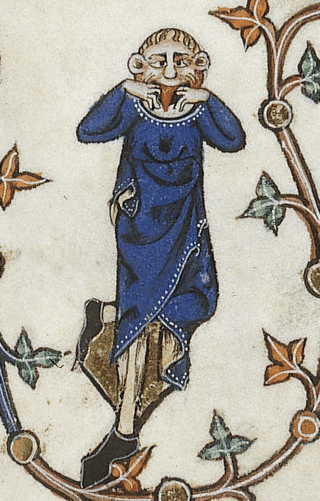
A Gorleston Psalter Drollery
Folio 123r — the East Anglian margin at its most inventively strange.
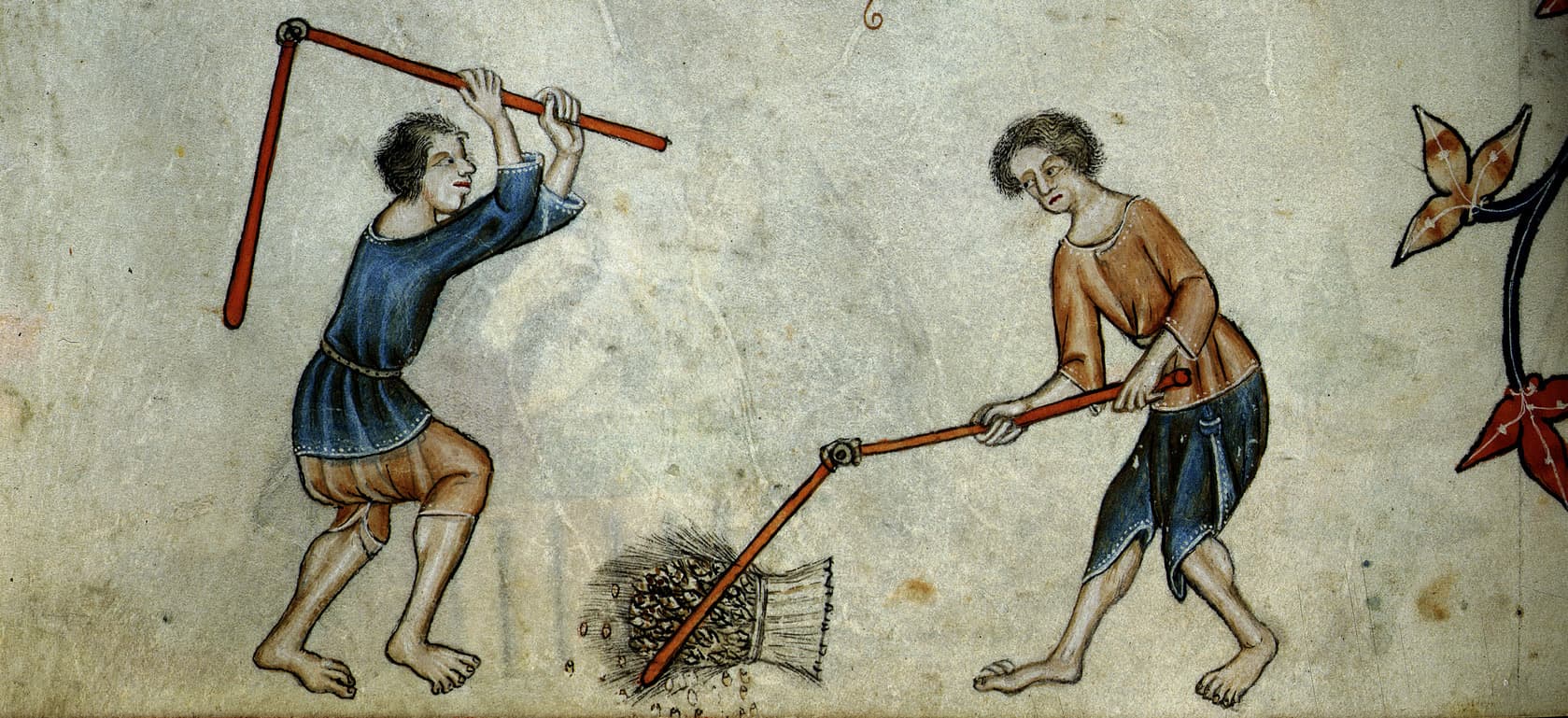
Threshing at Harvest — The Luttrell Psalter
Folio 74v — the most detailed record of English rural labor to survive its century.